

Speakers
morning keynote:
resilience from farm to front counter: sustainability at mcdonald’s
afternoon keynote
reaching cruising altitude: United Airlines’ strategic blueprint for decarbonizing global aviation
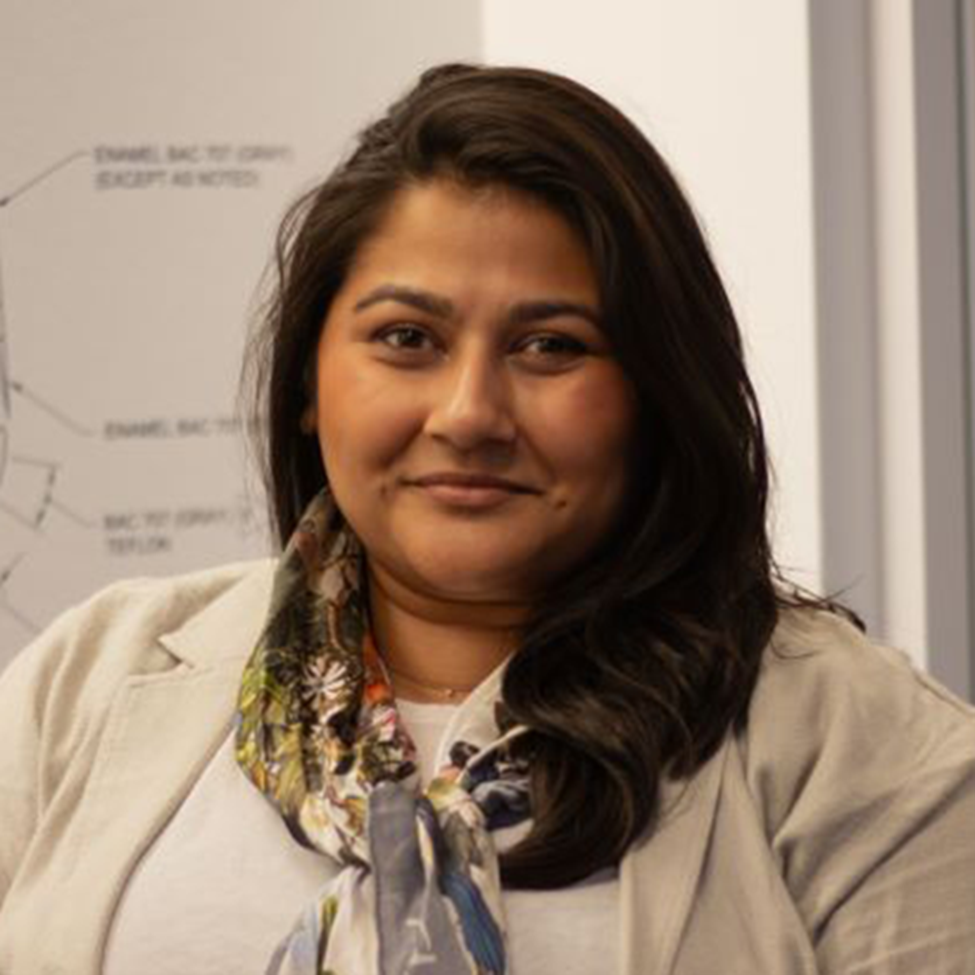

Powering intelligence: Climate leadership in the age of Ai

holly benz
Clinical Professor and Director of Master of Science in Energy & Sustainability Program (MSES)
McCormick School of Engineering
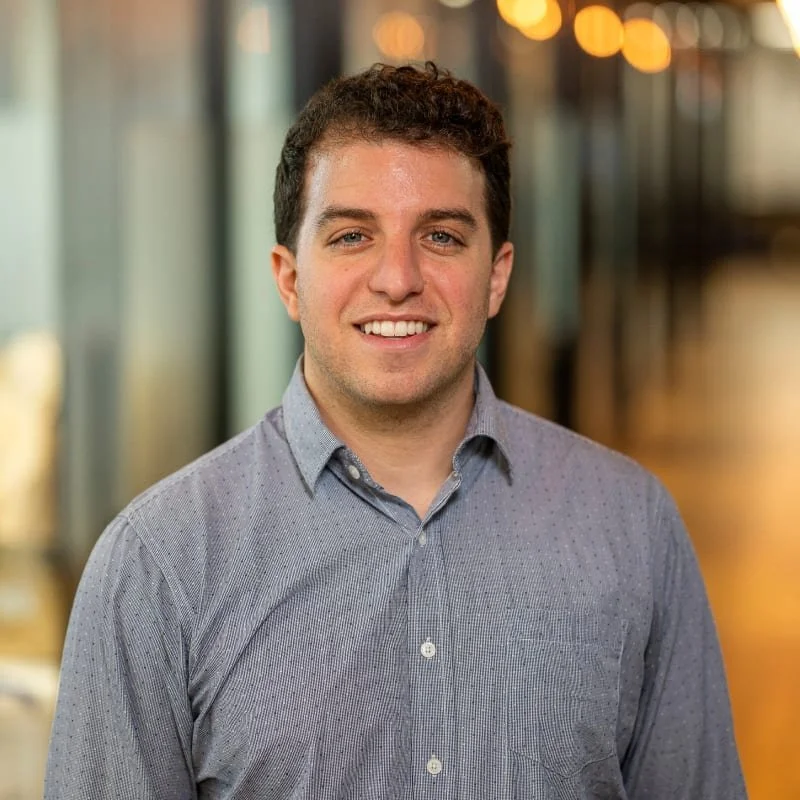

the next bite: scaling the future of protein




kantha shelke
Senior Lecturer at John Hopkins University;
Principal & Founder at Corvus Blue LLC
a tonne of value: carbon as a financial asset

David Besanko ‘82 PHD
IBM Professor of Regulation & Competitive Practice
Kellogg School of Management


under constraints: powering the energy transition in latin america

climate leadership: the people, vision, and skills required to scale solutions
matthew roling
Executive Director, Abrams Climate Academy
Clinical Assistant Professor, Kellogg School of Management

turning the tide: Financing the ocean economy

melissa garvey
Senior Advisor, Transformative Management and Protection
The Nature Conservancy
climate venture capital now: What’s changed, what hasn’t


panel topics
Panel topics are to be confirmed, and subject to change before April 22nd, 2026
-
Artificial intelligence is accelerating electricity demand at a pace that challenges grid reliability and climate goals alike. In this moment of transition, climate leadership means deciding not just how to power AI, but what kind of energy system it will catalyze. As policymakers increasingly signal that data centers may need to bring their own energy to avoid grid strain, this panel explores emerging pathways. As AI reshapes the economy and the grid, what is the true north for powering it responsibly?
-
In this panel we'll explore the nuances of voluntary carbon markets, and how carbon offsets act as financial assets within them. We'll briefly discuss the history of voluntary markets before shifting our gaze to the present and future. We'll take a deep dive into the issues facing voluntary carbon markets today, and whether those challenges can (or cannot) be overcome in the short and long term. Throughout, a particular emphasis will be given to the value that voluntary carbon markets create, both for buyers and for society at large.
-
This panel examines how renewable projects are financed and executed across Latin America under fiscal limits, political volatility, and regulatory complexity. Drawing from Atlas Renewable Energy’s experience, the discussion will focus on how large-scale projects are structured, how sovereign and policy risks are managed, and what it really takes to deploy capital in constrained and shifting markets.
-
Continued investment in climate tech startups - spanning energy transition, decarbonization, mobility, sustainable infrastructure, and more - is critical to achieving global sustainability goals.
Over the past year, there has been growing discussion about a darkening outlook for climate tech venture capital, driven by tightened early-stage funding, policy uncertainty, and slower corporate adoption.
This panel brings together early-stage investors to discuss what has actually changed, what has remained constant, and where they continue to find opportunity in today’s venture market to keep climate investment flowing. -
Achieving climate tech breakthroughs demands more than scientific progress, it requires leaders and organizations that can evolve alongside the technologies themselves. This panel explores how vision, leadership approaches, and organizational structures adapt as deep tech ventures move from idea to impact. We’ll discuss how leaders sustain momentum through uncertainty, align stakeholders across science and business, and build the resilience needed to turn technological potential into real-world climate solutions.
-
The ocean economy is a $2.6 trillion engine of global prosperity, and yet it remains one of the most underfunded frontiers in climate finance. As political and market headwinds reshape the landscape, a new generation of investors, conservation leaders, and entrepreneurs is proving that protecting ocean ecosystems and generating competitive returns are not a trade-off. This panel brings together practitioners who are already deploying capital at scale to explore the financial models, partnerships, and innovations turning the tide. The conversation will move beyond theory to examine what's actually working and what it takes to move beyond "climate finance as usual" to catalyze a thriving and regenerative ocean economy.
-
Alt proteins aren’t dead: they’re at a crossroads. After years of rapid hype and investment, the industry is confronting harder questions around cost, scale, nutrition, and consumer trust. Yet breakthroughs across food science, product innovation, and sustainability are reshaping what the next phase could look like. This panel brings together voices from across the alternative protein ecosystem — spanning innovation, nutrition science, and consumer-facing food businesses — to explore what’s stalled, what’s quietly accelerating, and what it will take to move from niche experimentation to mainstream adoption.
We’ll examine how protein quality, taste, affordability, and climate impact intersect, and what must change for sustainable eating to truly resonate with everyday consumers. The conversation moves beyond optimism or skepticism to ask a more practical question: what will it take for better protein to actually win on the palate?