Speakers


panel topics
Panel topics are to be confirmed, and subject to change before April 22nd, 2026
-
Artificial intelligence is accelerating electricity demand at a pace that challenges grid reliability and climate goals alike. In this moment of transition, climate leadership means deciding not just how to power AI, but what kind of energy system it will catalyze. As policymakers increasingly signal that data centers may need to bring their own energy to avoid grid strain, this panel explores emerging pathways. As AI reshapes the economy and the grid, what is the true north for powering it responsibly?
-
In this panel we'll explore the nuances of voluntary carbon markets, and how carbon offsets act as financial assets within them. We'll briefly discuss the history of voluntary markets before shifting our gaze to the present and future. We'll take a deep dive into the issues facing voluntary carbon markets today, and whether those challenges can (or cannot) be overcome in the short and long term. Throughout, a particular emphasis will be given to the value that voluntary carbon markets create, both for buyers and for society at large.
-
In the scientific jargon and political noise around climate change, it is easy to miss its human impacts. Can we quantify the day to day reality of resource scarcity for communities? People experience climate change differently, creating a real need to understand these realities through a nuanced, human-centered lens while also communicating insights clearly to practitioners and organizations. You can’t change what you can’t measure, so how do we use these metrics to target adaptation strategies? This panel explores impact measurement tools like the WISE (Water Insecurity Experiences Scales) and their real-world applications: from program design to resource allocation and accountability.
-
This panel examines how renewable projects are financed and executed across Latin America under fiscal limits, political volatility, and regulatory complexity. Drawing from Atlas Renewable Energy’s experience, the discussion will focus on how large-scale projects are structured, how sovereign and policy risks are managed, and what it really takes to deploy capital in constrained and shifting markets.
-
Continued investment in climate tech startups - spanning energy transition, decarbonization, mobility, sustainable infrastructure, and more - is critical to achieving global sustainability goals.
Over the past year, there has been growing discussion about a darkening outlook for climate tech venture capital, driven by tightened early-stage funding, policy uncertainty, and slower corporate adoption.
This panel brings together early-stage investors to discuss what has actually changed, what has remained constant, and where they continue to find opportunity in today’s venture market to keep climate investment flowing. -
Achieving climate tech breakthroughs demands more than scientific progress, it requires leaders and organizations that can evolve alongside the technologies themselves. This panel explores how vision, leadership approaches, and organizational structures adapt as deep tech ventures move from idea to impact. We’ll discuss how leaders sustain momentum through uncertainty, align stakeholders across science and business, and build the resilience needed to turn technological potential into real-world climate solutions.
-
As climate finance faces disruption, water systems are emerging as critical frontiers for what comes next. This panel will explore how capital is being reimagined to strengthen marine and freshwater resilience at scale, highlighting solutions that are already working and built to endure political and market headwinds. Bringing together capital allocators, ecosystem builders, and on-the-ground implementers, the conversation will challenge participants to rethink how finance can move beyond climate finance “as usual” and become a catalytic force for protecting, restoring, and regenerating the world’s most vital blue assets.
-
Alt proteins aren’t dead: they’re at a crossroads. After years of rapid hype and investment, the industry is confronting harder questions around cost, scale, nutrition, and consumer trust. Yet breakthroughs across food science, product innovation, and sustainability are reshaping what the next phase could look like. This panel brings together voices from across the alternative protein ecosystem — spanning innovation, nutrition science, and consumer-facing food businesses — to explore what’s stalled, what’s quietly accelerating, and what it will take to move from niche experimentation to mainstream adoption.
We’ll examine how protein quality, taste, affordability, and climate impact intersect, and what must change for sustainable eating to truly resonate with everyday consumers. The conversation moves beyond optimism or skepticism to ask a more practical question: what will it take for better protein to actually win on the palate?
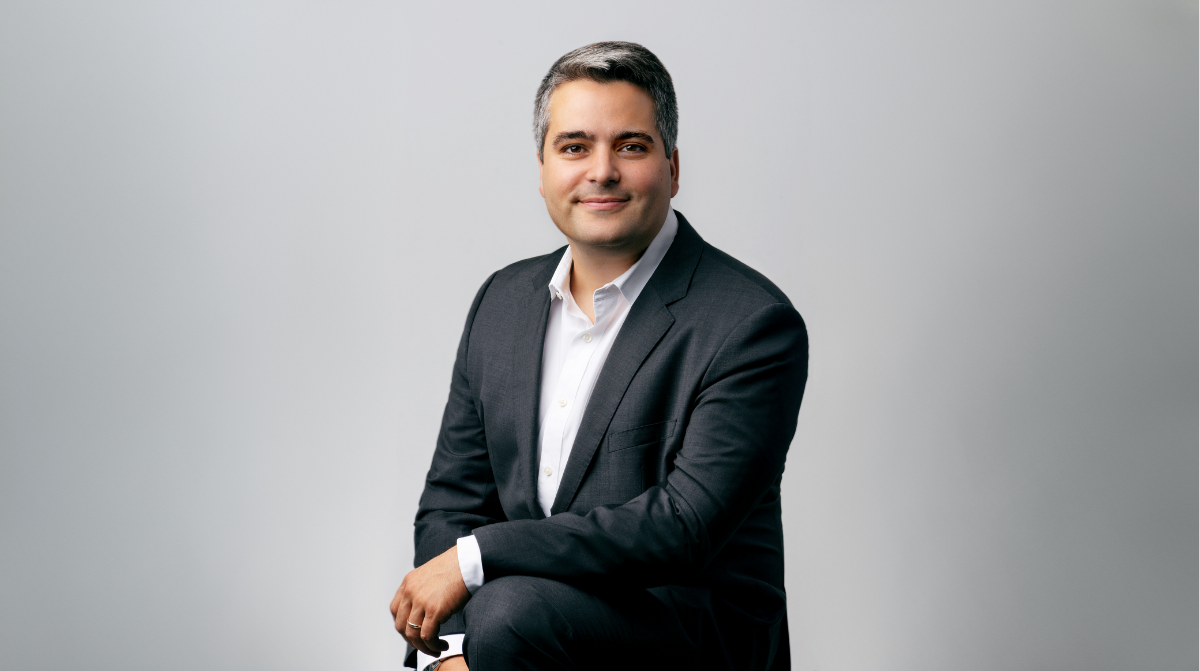
conference speakers







megan kashner ‘03 MBA
Professor & Director of Social Impact and Sustainability
Kellogg School of Management
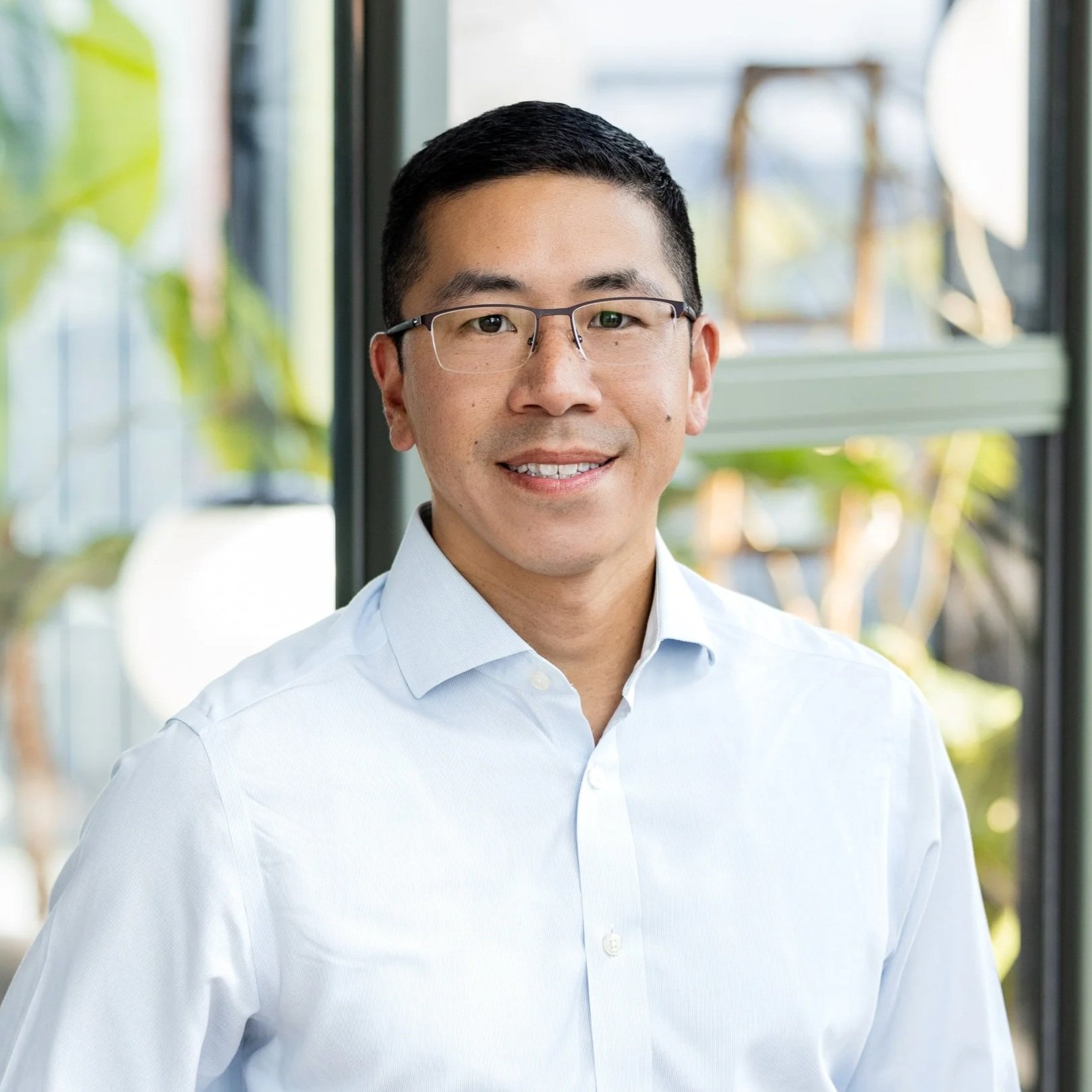



sera young
Co-Director at the Center of Water, Faculty Fellow at the Institute for Policy Research, and Professor at Northwestern University



matthew roling
Executive Director, Abrams Climate Academy; Clinical Assistant Professor, Kellogg School of Management